Derivatives Explained
Derivatives:
Unlocking the Mechanics
of Modern Finance
The Invisible Engines
Behind the Markets
Imagine vehicles speeding down a highway: while the cars themselves capture attention, the invisible road and traffic signals dictate how they move.
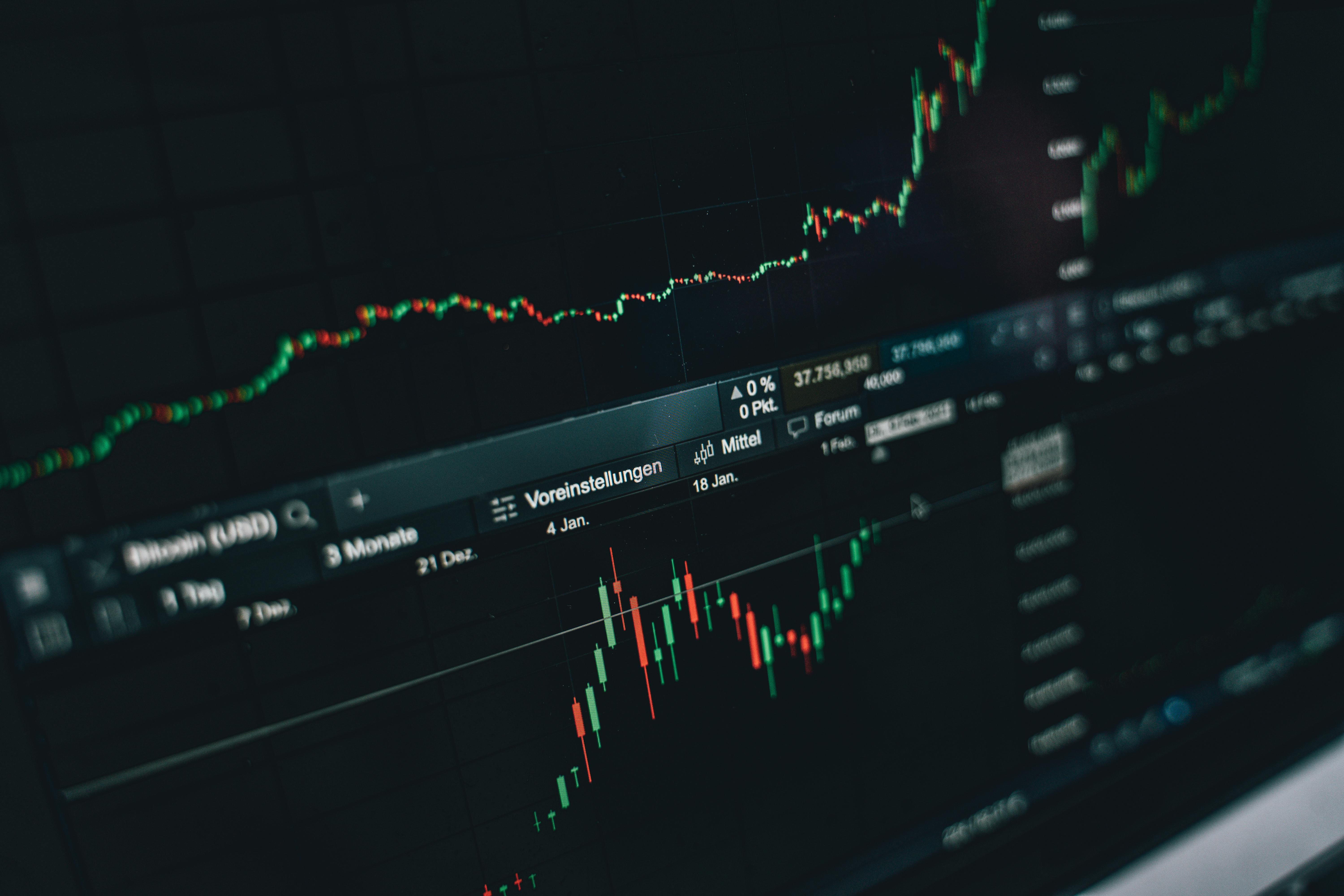
In the financial world, derivatives play a similarly unseen but powerful role, guiding, hedging, and amplifying the movement of assets. Often overlooked by newcomers, derivatives are essential tools driving today's sophisticated financial markets.
At their core, derivatives are contracts whose value is based on something else: an underlying asset such as stocks, bonds, commodities, currencies, interest rates, or market indexes.
Demystifying Derivatives
At their core, derivatives are contracts whose value is based on something else: an underlying asset such as stocks, bonds, commodities, currencies, interest rates, or market indexes.
Far from simply tracking these assets, derivatives allow investors and companies to manage risks, speculate on price movements, or access new markets.
These contracts can be traded on organized exchanges or privately, over the counter (OTC), each bringing distinct levels of regulation and risk.
How Do Derivatives Operate?
The operation of derivatives centers on agreements between two or more parties. Depending on their design, these contracts can protect portfolios from adverse price moves (hedging) or let traders bet on how prices will change (speculation).
Because derivatives often employ leverage (using borrowed funds) they can magnify both profits and losses. This characteristic makes them both useful and potentially hazardous in volatile markets.
Types of Derivatives:
A Diverse Landscape
Derivatives come in a variety of forms, each serving specific financial needs:
(1) Futures Contracts: Standardized agreements to buy or sell an asset at a predetermined price on a set future date. These contracts trade on exchanges and require both parties to fulfill their obligations.
(2) Forward Contracts: Similar to futures, but customized and traded privately OTC. Forward contracts carry higher counterparty risk since they're not regulated or standardized.
(3) Swaps: Contracts in which parties exchange cash flows, often used to manage interest rate or currency risks. For example, one party may swap variable-rate payments for fixed-rate payments, hedging against changing interest rates.
(4) Options: Contracts granting the right (but not the obligation) to buy or sell an asset at a specified price before a certain date. Options come in several styles, such as American (exercise anytime) and European (exercise at expiration), and can be tailored to varied risk appetites.
Beyond Typical Applications:
Innovation in Derivatives
While most derivatives link to financial assets, innovation in this arena has spawned contracts based on unconventional variables like weather data, enabling firms to hedge risks associated with rainfall or sunny days.
The versatility and growth of the derivatives market demonstrate its adaptability to cover almost any measure of risk or opportunity.
Advantages:
Why Use Derivatives?
Derivatives offer a plethora of benefits, including:
(a) Locking in prices for future transactions.
(b) Hedging against unfavorable shifts in rates or commodity prices.
(c) Leveraging positions for amplified gains with minimal upfront capital.
(d) Enhancing portfolio diversification by offering exposure to specialized risks.
Disadvantages:
The Cautions of Complexity
However, the same characteristics that empower derivatives also introduce challenges:
(a) Valuation can be complex, often requiring intricate models.
(b) OTC derivatives present higher counterparty risks.
(c) Sensitivity to factors like time to expiration and interest rates complicates management.
(d) Vulnerability to market sentiment and supply-demand dynamics can cause price swings that defy the movement of underlying assets.
(e) The use of leverage, while tempting, can rapidly increase potential losses.
My Inference
Derivatives may operate in the background, but their influence on modern finance is profound. These contracts unlock avenues for risk management, speculation, and liquidity in the financial ecosystem.
Whether you're an investor seeking to protect assets or a trader aiming to capitalize on future price moves, understanding derivatives is essential for navigating today's market landscape.
Like any powerful tool, derivatives are best approached with knowledge, caution, and a clear strategy; they’re the silent engines that keep the financial highway moving smoothly.
- Jishnu Chatterjee.
A Word of Caution:
Stay away from F&O
and Intraday.


